DRT Lower Extremity
Advanced instruction in soft-tissue restrictions, passive movement assessment, and precise manual manipulation of the lower kinetic chain.
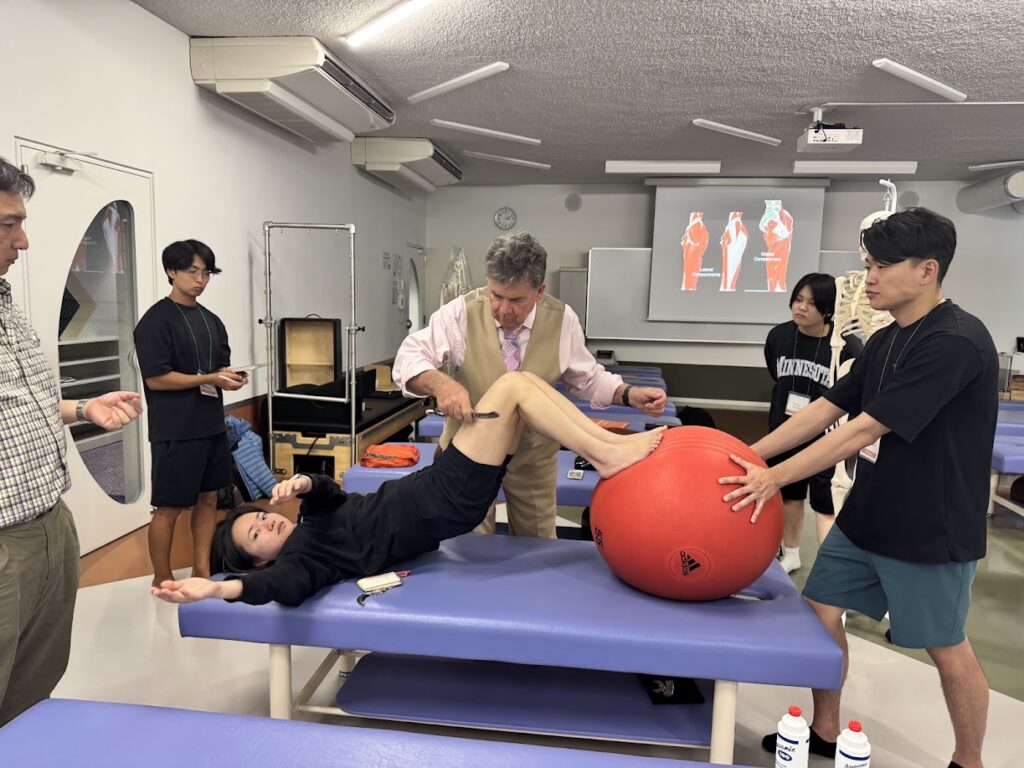
Lower Extremity & Pelvic Complex
Hands-on clinical positioning for hip, knee, ankle, foot, and sciatic neurovascular releases.
- LOWER KINETIC CHAIN PROTOCOL
Passive Upper Extremity Mastery
Clinical instruction for physicians & assistants
- Pelvic & Hip Release
- Knee & Patellar Glide
- Ankle Retinaculum
- Plantar Aponeurosis
Official Course Description
Detailed clinical curriculum breakdown
- PART 1
Assessment & Soft-Tissue Restriction
- Anatomy & Palpation
- PART 2
Passive Physician-Assisted Movement
- Anesthesia Setting
- PART 3
Positioning, Safety & Sequencing
The course emphasizes controlled lower-extremity positioning, physician-assisted movement, tissue-specific contact, patient safety, communication with the anesthesia team, and the proper sequence of soft-tissue treatment and manipulation.
- Safety & Sequencing
Anatomical Review
Passive Movement Protocols
Anesthesia Team Safety
Targeted Lower Anatomical Regions
Six essential zones covered in DRT Lower Extremity

- ZONE 01
Hips, Gluteal Complex & Pelvic Girdle
- Included in Practical Lab

- ZONE 02
Thighs, Quads & Hamstring Compartments
- Included in Practical Lab

- ZONE 03
Knees & Patellar Tendon Structures
Patellofemoral tracking, collateral & cruciate ligamentous tension, popliteus & meniscal margins.
- Included in Practical Lab
- ZONE 04
Lower Legs & Tibial Sheaths
- Included in Practical Lab
- ZONE 05
Ankles & Achilles Retinaculum
- Included in Practical Lab
- ZONE 06
Feet, Plantar Fascia & Digital Mechanics
- Included in Practical Lab

Immersive Clinical Environment
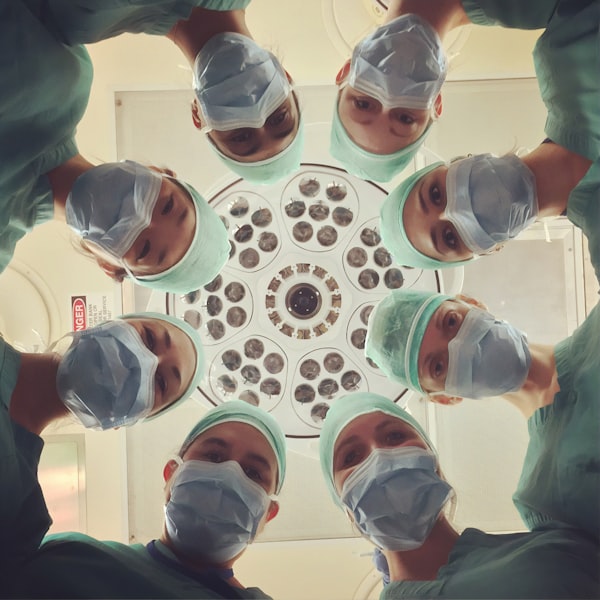
Attendees receive personal guidance from certified DRT faculty, practicing lower extremity lever angles, tissue tension palpation, and safe positioning maneuvers on live subjects in first-class seminar venues worldwide.
1:8
Instructor Ratio
100%
16 In-Person Hands-On Hours
32 CE Hours
(16 online with Dr. Robert C. Gordon, DC, AAMUAP + 16 in person), Pending Approval
Master the Lower Extremity Protocol
Join leading healthcare professionals in our upcoming destination seminars and add DRT Lower Extremity to your clinical skillset.