What is STOMUA?
Soft Tissue & Osseous Manipulation Under Anesthesia for chronic joint dysfunction, fascial restrictions, and severe muscle guarding.
- Procedure Definition
Soft Tissue & Osseous Manipulation Under Anesthesia
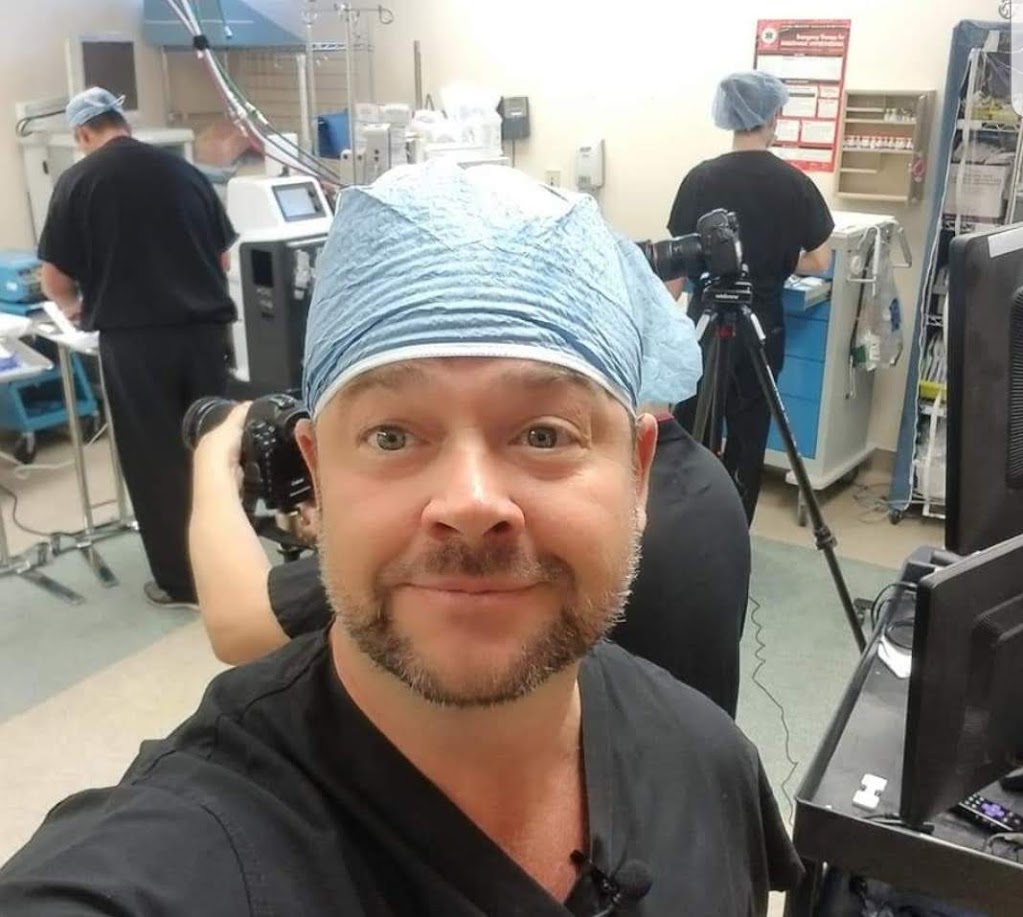
Soft Tissue & Osseous Manipulation Under Anesthesia (STOMUA) is an advanced, physician-directed procedure designed for patients whose pain, stiffness, or functional limitations have not responded to conservative care. By performing treatment while the patient is under monitored anesthesia, the body’s protective muscle guarding is minimized, allowing the physician to address deep soft tissue restrictions, fascial adhesions, joint dysfunction, and motion limitations that may otherwise be difficult to treat.
STOMUA combines specialized soft tissue techniques with precise osseous (joint and skeletal) mobilization to restore movement, improve biomechanics, and help patients regain function. Following the procedure, a structured rehabilitation program is essential to reinforce the newly restored motion and maximize long-term outcomes.
- Clinical Rationale & Benefits
Why STOMUA?
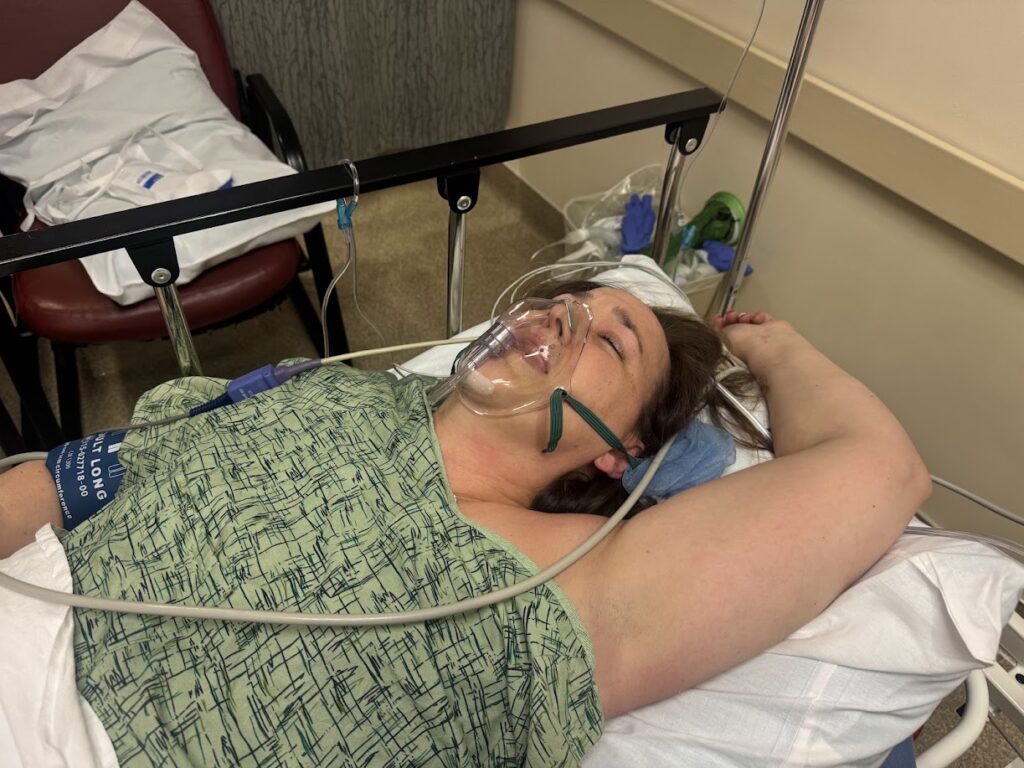
Many patients develop chronic movement restrictions because scar tissue, fascial adhesions, and joint dysfunction create protective muscle guarding that limits normal motion. In carefully selected cases, monitored anesthesia allows the physician to perform precise manual procedures without involuntary muscle resistance, creating an opportunity to restore mobility more effectively.
- Improved joint mobility and range of motion
- Restoration of normal movement patterns
- Reduced pain and muscle guarding
- Potential to avoid or delay more invasive surgical interventions in appropriate patients
- Reduction of soft tissue adhesions and fascial restrictions
- Improved flexibility and functional performance
- Enhanced rehabilitation following the procedure
- Comprehensive treatment of both soft tissue and joint dysfunction in a single coordinated procedure
- Comprehensive Approach
The DRT STOMUA Difference
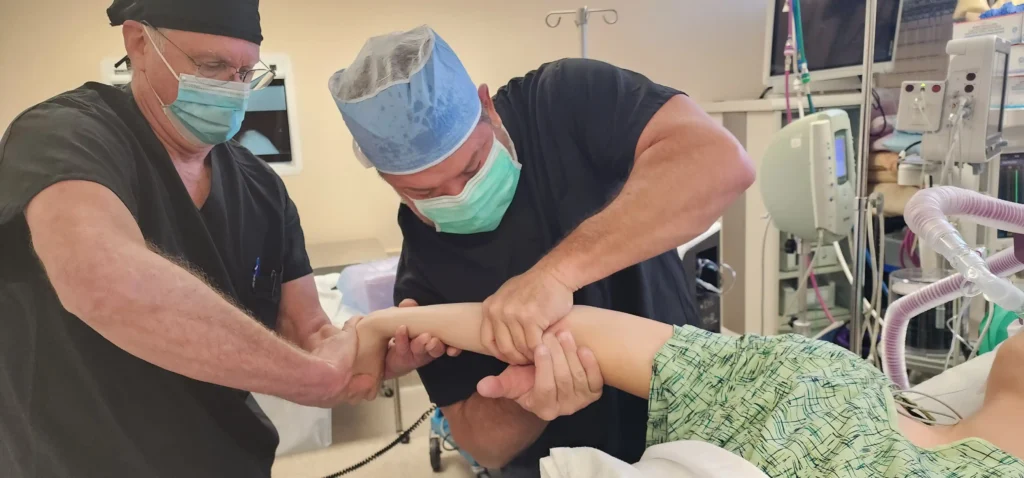
Dynamic Release Techniques® has developed an advanced approach to STOMUA that combines Passive Release Techniques (PRT) with specialized osseous manipulation and a comprehensive rehabilitation protocol. Unlike isolated procedures that focus on only one tissue type, the DRT approach addresses the entire kinetic chain—including fascia, muscles, tendons, ligaments, peripheral nerves, and joint mechanics—to restore optimal movement.
The procedure is performed by appropriately trained physicians in an accredited surgical setting under monitored anesthesia with a qualified medical team. Every STOMUA procedure is followed by a structured rehabilitation program designed to preserve gains in mobility, restore neuromuscular control, and help patients return to their highest level of function safely and efficiently.